
Water damage restoration New York involves professional services to repair, clean, and restore properties affected by water damage quickly and safely.
Water damage restoration services include flood cleanup, structural drying, mold remediation, and emergency response for residential and commercial properties.
The process of water damage restoration services includes assessment, water extraction, drying, cleaning, sanitizing, and property repair to prevent long-term damage.
The benefits of water damage restoration services include preventing structural damage, reducing mold risk, saving belongings, and restoring property safely.
Biotek NYC provides expert water damage restoration New York, using advanced equipment, trained professionals, and rapid response for effective results.
FAQs
Water damage should be addressed immediately to prevent further damage and mold growth. Contacting a professional restoration company immediately is crucial.
Water damage restoration involves water extraction, drying, sanitizing, and repairs to restore the property to its pre-damage condition.
While minor water damage can be addressed with DIY methods, significant water damage requires professional repair to ensure thorough cleanup and prevent secondary issues.
Water damage coverage depends on the cause of the damage and your insurance policy. Review your policy or consult with your insurance provider to determine coverage.
The duration of water damage restoration varies depending on the extent of the damage. Completing the restoration process can take anywhere from a few days to several weeks.
Leak and Flood Cleanup Across Brooklyn, Manhattan, Queens and Nearby Boroughs
Water Damage Restoration
In NYC Day or Night
Crews on call 24 hours a day
Residential & Commercial
All Five Boroughs
Why Call Biotek NYC After a Leak?
NYC Leak Cleanup & Structural Drying
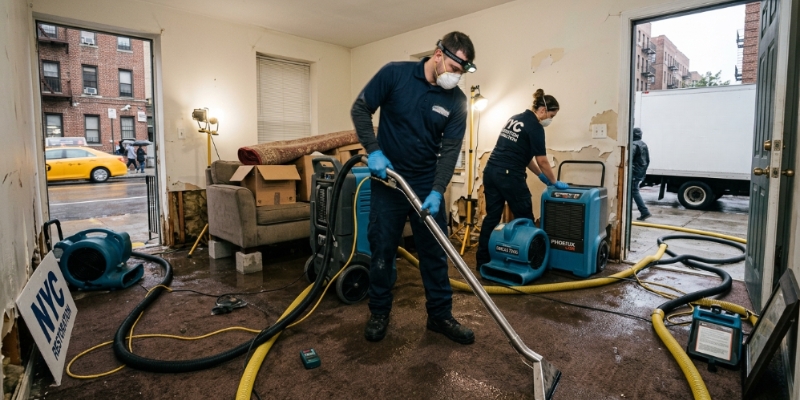
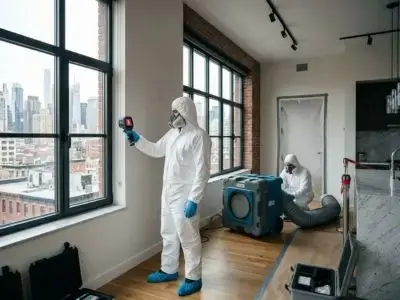
Local expertise and lab-certified results for peace of mind. (Local crews and meter-checked drying for peace of mind.)Biotek NYC handles water damage restoration in NYC for apartments, brownstones, co-ops, offices and storefronts across Brooklyn, Manhattan, Queens, the Bronx, Staten Island and Long Island. A burst pipe in a Midtown high-rise behaves differently from a flooded basement in Brooklyn, so our crews start by finding where the water traveled, not just where it pooled. We pump out standing water, open wet wall cavities when needed, and set commercial drying equipment to work. Thermal imaging and moisture meters guide each decision, because drywall can feel dry on the surface and still hold water inside. Our team also handles mold inspection and remediation. That matters in a city where a leak from the unit above can sit behind plaster for days without anyone noticing. You get a clear plan, regular moisture readings, and a space that is dry, sanitized and ready for repairs.
Why Choose Biotek NYC Across the Five Boroughs?
NYC Flood and Leak Restoration Services
Professional flood and leak services for your building
Emergency Water Extraction
Pumps and wet vacuums remove standing water from floors, carpets and basements quickly.
Structural Drying
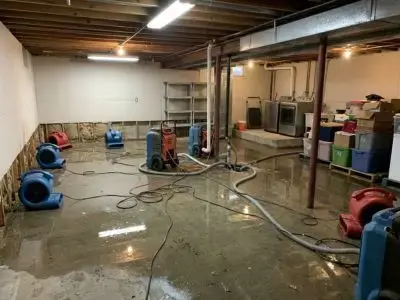
Industrial dehumidifiers and air movers dry walls, subfloors and framing from the inside.
Odor Control & Sanitizing
Antimicrobial cleaning and odor treatment for every water-touched area.
Moisture Mapping & Thermal Imaging
Thermal cameras and meters track hidden wetness behind walls and ceilings.
NYC Leak, Flood & Mold Resources
Practical guides for NYC homeowners, tenants and landlords dealing with water damage. Read about cleanup timing, leaks hidden inside walls, HPD violations, mold risks and what restoration really involves.
Water Damage After a Leak or Flood: How Fast Should Cleanup Begin?
Every hour counts once water gets in. See why quick water removal limits structural harm, lowers mold risk and saves more building materials.
Essential Steps in Water Damage Restoration
A walk through the full restoration sequence, from extraction and drying to cleanup and getting your property back to normal use.
Everything You Should Know About Water Damage Restoration
Signs of hidden leaks, why professional drying matters, and how pumps, dehumidifiers and disinfection work together on a restoration job.
Debunking Top 8 Myths About Emergency Water Damage
Think a leak can wait, or that you can dry it alone? Eight common beliefs that end up costing NYC property owners more.
Inside Walls Water Damage: What Is It and How to Fix It
Water trapped in walls rots framing and feeds mold. Learn the early warning signs and how damaged drywall gets repaired properly.
HPD Violations Fixing Made Fast: A Practical Guide for NYC Landlords
A practical guide for NYC landlords on handling HPD notices, meeting correction deadlines and documenting completed repair work.
Mold and Indoor Air Quality: How Mold Affects the Air You Breathe
How mold changes the air inside your home, and the moisture control, ventilation and cleaning steps that keep it in check.
Mold Removal vs Remediation in Brooklyn
Removal and remediation are not the same job. Find out which one your property needs and why the moisture source decides it.
Mold Inspection Signs in Brooklyn and What to Do About Them
Musty smells, bubbling paint and past leaks all point somewhere. Here is what each sign means and when to book an inspection.
Mold Remediation New York: Professional Removal You Can Trust
What professional remediation involves in New York properties, from damp basements to offices, and why DIY cleanup falls short.
Dry It Properly, Not Just Mop and Fan
Plenty of cleanup crews remove the visible water, set out a few fans and leave. Our mold specialists in NYC go further. We measure moisture inside walls, floors and ceilings, then keep drying until the readings show the structure is actually dry.
Note: New York State Labor Law Article 32 requires licensed contractors for mold projects larger than 10 square feet. If a leak has already caused mold, ask any contractor to show their license.
How We Work
How Our Water Damage Restoration in NYC Works
Every job follows one careful sequence: stop the water, remove it, find what is hidden, dry the structure and confirm results.
 STEP 01
Emergency Call & Triage
Tell us what happened, where the water came from and which rooms are affected. We give you first steps by phone and send a crew, day or night.
- STEP 02
Water Extraction & Protection
Once the source is shut off, we pump out standing water, lift soaked carpet and padding where needed, and move belongings out of harm's way. Wet areas are sectioned off to protect the rest of the property.
- STEP 03
Moisture Mapping & Thermal Imaging
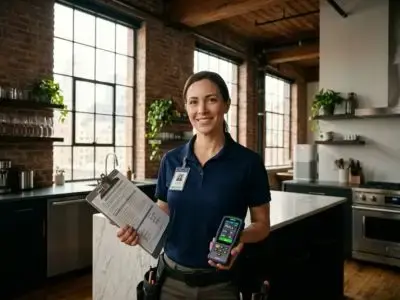
Thermal cameras and moisture meters trace water that traveled behind tiles, under floors and into ceiling cavities. This mapping shows which materials can be dried in place and which ones have to come out.
- STEP 04
Structural Drying & Dehumidification
Air movers and dehumidifiers run in a controlled drying setup. We take readings at set points and adjust the equipment until moisture levels match unaffected parts of the building.
 STEP 05
Sanitizing, Mold Check & Sign-Off
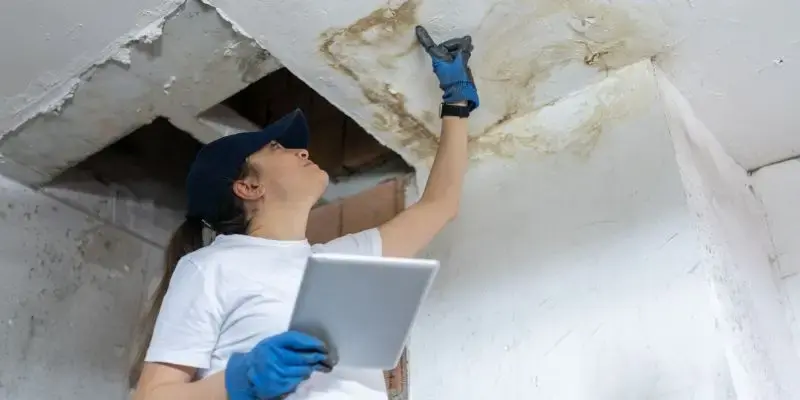
Affected surfaces receive appropriate cleaning, antimicrobial treatment where suitable, and odor control. Because water damage left too long can turn into a mold problem, we check dried areas for growth, share final readings, and explain the repairs that come next.
The Biotek NYC Difference
See how we compare with a basic cleanup crew.
Biotek NYC
Help Around the Clock
Crews and phone support available 24 hours, every day.
Water and Mold, One Team
Our mold specialists in NYC check dried areas for growth.
Measured Drying
Thermal imaging and meter readings confirm dry walls.
Insurance Claim Support
Documentation that supports your insurance claim.
Basic Cleanup Crews
Business Hours Only
After-hours leaks may wait until the next business day.
Mold Left to Chance
No follow-up check for growth once the water is gone.
Surface-Only Drying
Fans placed by feel, with no moisture readings.
You Handle the Insurer
Little help documenting the loss for adjusters.
Support From Start to Finish
Two People Looking Out for You
Each Biotek NYC restoration job comes with two points of contact. One keeps the work moving on site. The other helps you build a clear record for your insurer.
Your Response Coordinator
Guides you from first call to final reading
- Explains what to do while crews travel
- Clear scope and simple scheduling
- Shares drying progress with you
Your Claims Support Contact
On your side with the insurer
- Photographs every affected area
- Shares moisture logs with adjusters
- Explains repair steps clearly
Your Questions About Leaks and Flooding, Answered
Common questions about leaks, drying, and our process.
How quickly should cleanup start after a leak in my apartment?
Start within hours, not days. The EPA advises drying wet building materials within 24 to 48 hours to prevent mold. Quick water damage restoration also limits warped floors, stained ceilings and swollen drywall. Call once the source stops.
What usually causes leaks in New York City buildings?
Common sources include burst or corroded pipes, overflowing tubs, failed water heaters, roof leaks and units above yours. Older buildings also add aging risers and clogged drains. Heavy rain can also push water into basements through cracks in the foundation.
Can I dry a flooded room myself with fans?
Fans dry the surface, but water often stays trapped inside drywall, insulation and subfloors. Without moisture readings, you can't tell when materials are truly dry. That hidden dampness is what causes musty odors, warping and mold even several weeks later.
How long does structural drying take?
It depends on how much water soaked in, which materials got wet and the humidity inside your building. Hardwood and plaster take longer than drywall. We track progress with regular readings and tell you exactly when each room is ready.
Will my insurance pay for the cleanup?
Coverage depends on your policy and the cause. Sudden events like a burst pipe are often covered, while slow leaks and flooding may not be. Biotek NYC records the water damage with photos and moisture readings your adjuster can review.
What should I do if the leak came from the unit upstairs?
Notify your landlord or building management in writing right away, and take photos. Then get the water removed and dried quickly, no matter who ends up paying. We record where moisture traveled, which helps owners, managers and insurers settle responsibility.
Do I need to move out while the drying equipment runs?
Usually not. Most people stay home while equipment runs, although the machines are fairly noisy and some rooms stay closed off. If sewage or heavy contamination is involved, we may advise staying elsewhere until all cleaning and sanitizing are finished.
What is the difference between clean, gray and black water?
Clean water comes from supply lines or rain. Gray water, like washing machine or dishwasher overflow, carries some contaminants. Black water includes sewage and outside floodwater. Each needs a different cleanup level, and porous materials it soaks usually need removal.
Will mold grow after my property gets wet?
It can, and damp materials can start growing mold within a day or two. Our team inspects dried areas, checks hidden spots behind walls with thermal imaging, and recommends testing or remediation if growth appears, so the problem doesn't return.
Do you work on commercial and multi-unit buildings?
Yes. We work in houses, rental apartments, co-ops, condos, offices, retail spaces and multi-unit buildings across Brooklyn, Manhattan, Queens, the Bronx, Staten Island and Long Island. Commercial jobs get drying plans built to keep business disruption as low as possible.
Schedule Now
Book Your Water Damage Inspection
Planning water damage restoration in NYC? Start by knowing exactly what the leak left behind. Our mold specialists in NYC check for hidden moisture and mold growth after water damage, then give you fast, lab-verified results. We only test, so our findings stay honest and conflict-free.
 CALL US
 CONTACT US